Becoming skilled enough tomaster the WordPress content editor is a crucial ability whether you’re a beginner blogger, a WooCommerce store owner, or a seasoned affiliate marketer. With WordPress powering over 40% of all websites globally, the way you edit content in WordPress can make or break your site’s user experience, SEO rankings, and engagement rates.
In this guide, you’ll uncover 15+ pro-level WordPress tips that show you how to use the block editor like a pro, optimize your content for SEO, and build high-converting landing pages — all without writing a line of code.
Table of Contents
“Master the WordPress content editor” means becoming highly skilled and efficient at using WordPress’s built-in tools to create, edit, and manage website content. It involves understanding how to work with the WordPress block editor (also called Gutenberg) or the classic editor, knowing how to format posts and pages effectively, use blocks for images, text, videos, buttons, and other elements, and optimizing content for both readers and search engines.
In short, it’s about knowing how to edit content in WordPress like a pro — making your website content look great, load fast, rank well on Google, and engage visitors smoothly.
Mastering the WordPress Content Editor is helpful for bloggers, WooCommerce owners, and affiliate marketers. It lets you easily edit content, add media, format text, and create attractive pages that work well for visitors and SEO. Here are 15+ simple tips to help you use the Gutenberg (block) editor or the classic editor like a pro. Let’s begin!
In WordPress, everything you add to your page or blog post is called a block. Blocks can be paragraphs, pictures, lists, galleries, videos, or buttons. The editor that uses these blocks is called the WordPress block editor or Gutenberg editor.
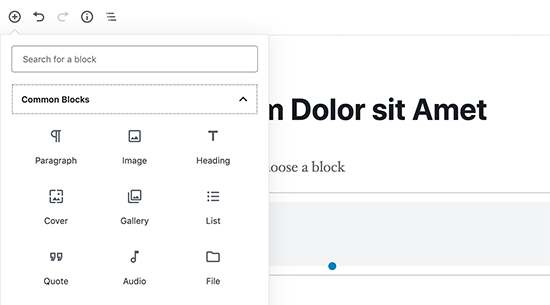
Blocks are like building blocks for your content. You can move them around, change how they look, and create different layouts without needing to know any coding. Learning how to use blocks will help you make your website look professional and easy to read.
When you write in WordPress, sometimes you need to add space between lines or paragraphs to make your text neat.

Knowing this helps keep your posts clear and easy to read.
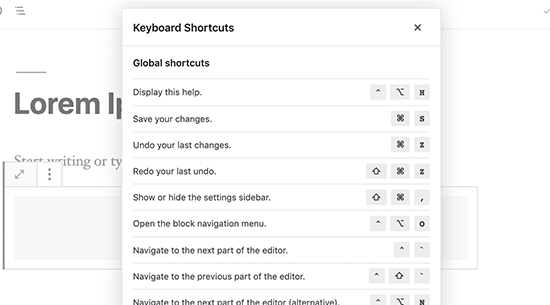
Using your mouse to click everywhere can be slow. WordPress offers helpful keyboard shortcuts that save you time when editing.
Here are two important shortcuts:
Try to use these shortcuts when editing. Here’s a guide for you on the most time-saving keyboard shortcuts in WordPress. It will help you work faster and make your posts look better.
The size of your text, or font size, is important. Big font sizes grab attention, and smaller sizes are good for details.
To change font size in WordPress:
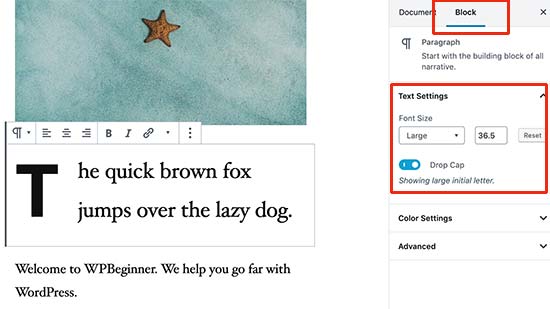
Changing font sizes helps your visitors read your posts without getting tired.
WordPress gives you a clean workspace to create your content. On your screen, you’ll see:
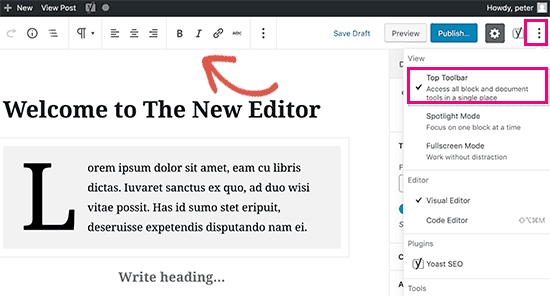
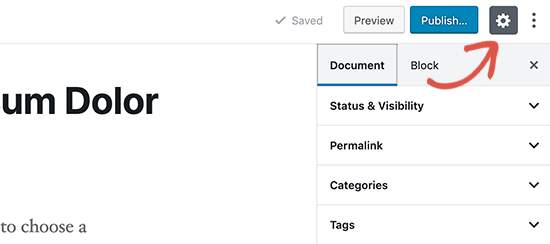
By tapping on the gear icon at the top, you can easily reveal and conceal the settings column.
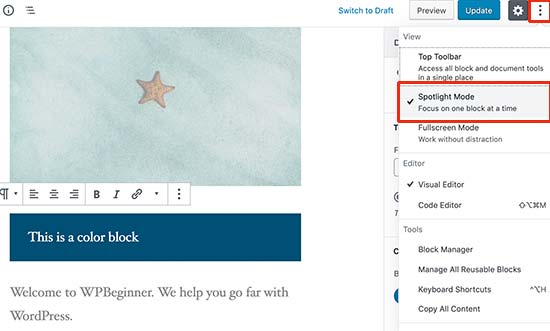
Spotlight Mode: This dims the other blocks and highlights only the one you are editing.
Fullscreen Mode: This hides everything except your content and the toolbar, so you don’t get distracted.
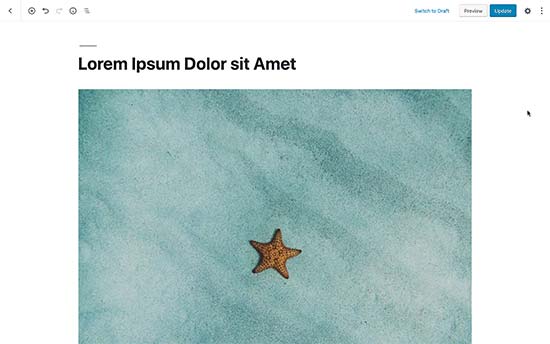
Using these modes can help you write better and manage your content easier.
Want your page to look like a magazine or newspaper? Use the Columns block to split your content into two or more columns.
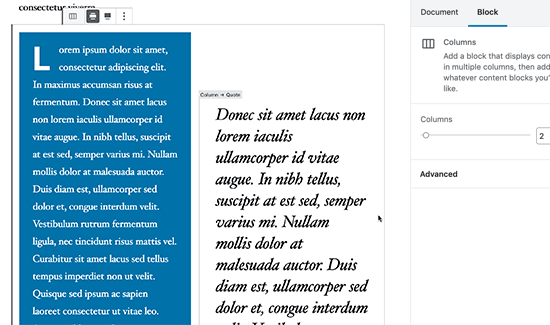
You can put different blocks inside each column — like text on one side and pictures on the other. This helps organize your content and makes your page look cool and professional.
Before WordPress version 6.0, putting an image right next to some text was difficult. You had to use tricky workarounds to make it look nice. But now, with the Media & Text block, it’s super easy!
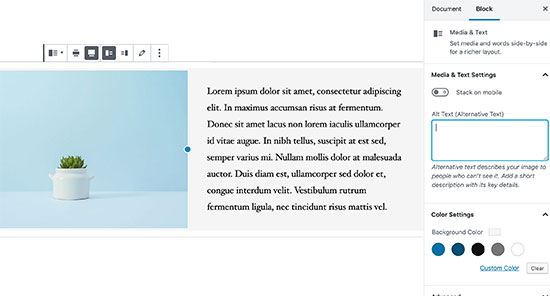
You just add this block to your post or page, then put your image on one side and your text on the other. WordPress automatically adjusts the spacing so everything looks balanced and neat.
This is perfect for when you want to explain something and show a related picture at the same time, making your content more interesting and easier to read.
Headings are like the titles or subtitles in your posts. They help readers find what they want quickly and make your post look organized.
But did you know headings also help your site rank better on Google? This is called WordPressSEO — search engines look at your headings to understand your main topics.
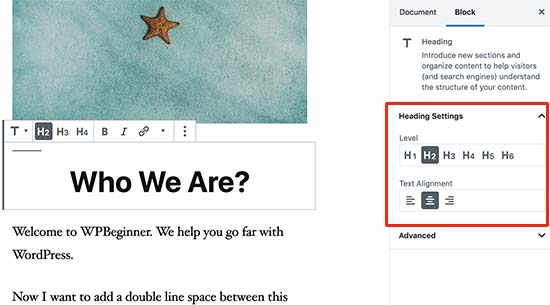
Use the Heading block to add headings. Try to include your main keywords (like “WordPress Content Editor”) in these headings because that tells Google what your post is about.You can also make your headings bold or add links in them to make them stand out more.
Sometimes, you need to show data clearly — like scores, prices, or lists. For this, WordPress has a Table block.
You just choose how many rows and columns you want, then add your information inside the cells. It’s like making a simple spreadsheet right inside inserting tables into your WordPress pages and posts.
Sometimes, you need to show data clearly — like scores, prices, or lists. For this, WordPress has a Table block.
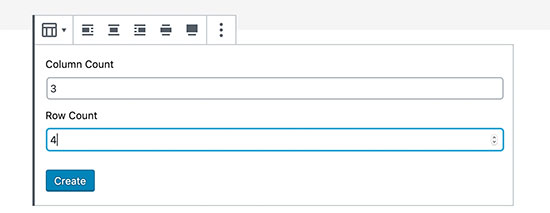
Following that, you’ll see a plain table. From the block settings, you can add content to table cells and select table colors and styles.
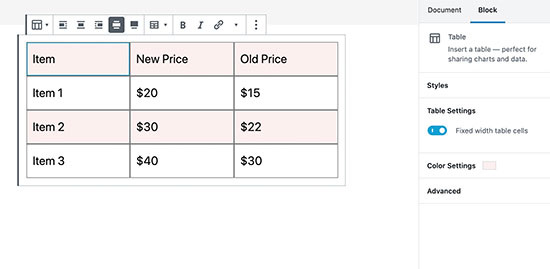
But if you want fancier tables, with sorting options or colors, check out the free TablePress plugin. It’s easy to use and adds cool features that make tables look professional.
Uploading videos directly to your WordPress site is a bad idea because big files can slow down your website.
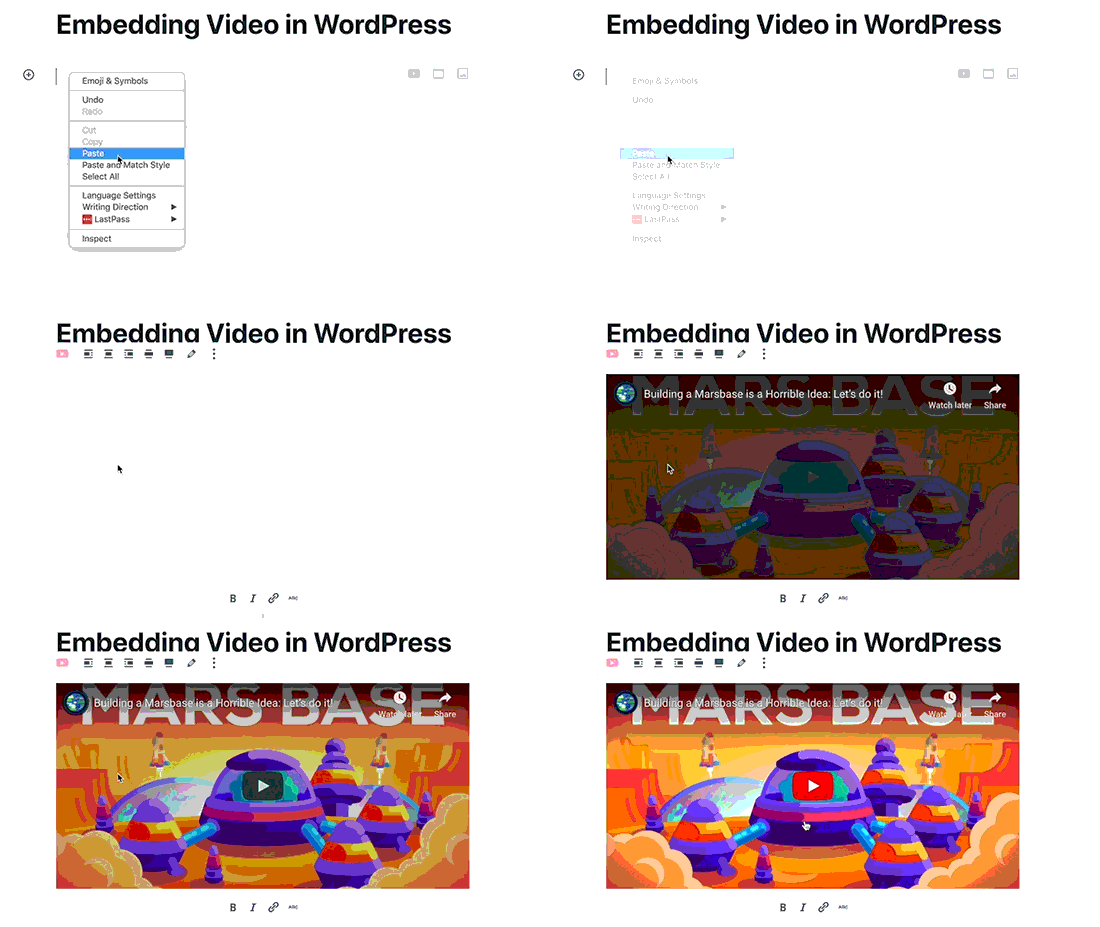
Instead, upload your videos to YouTube or another video platform, then embed them in your posts.
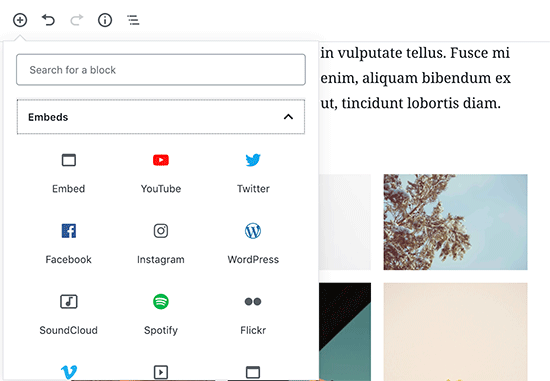
All you have to do is copy the video’s URL (link) and paste it into the YouTube block or even in a normal paragraph block. WordPress will automatically turn it into a video player your visitors can watch without leaving your site.
This helps your pages load faster and keeps your visitors engaged.
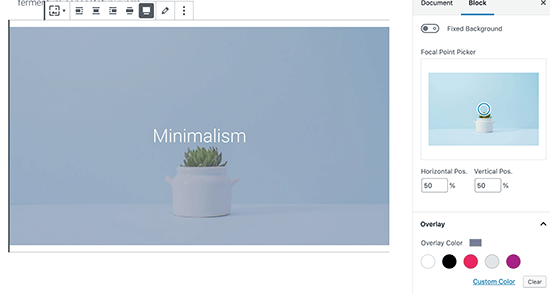
You’ve probably seen big photos inside articles in magazines or news sites with words over the image — those are cover photos.
WordPress lets you add these with the Cover Image block.
Cover photos are great because they break up your article, add visual interest, and make people want to keep reading. They also help your content look professional and attract attention on social media, which is part of good social media marketing tips.
To add a cover photo, just insert the block and upload a large, high-quality image. You can even put text on top of the image!
Want your visitors to do something like “Buy Now,” “Subscribe,” or “Learn More”? Buttons are the best way to make calls-to-action clear and clickable.
WordPress has a simple Button block where you can add buttons to any post or page.
You can change the style — like making the button rounded or squared — and pick colors that match your site’s design. You can also place buttons in the center, left, or right side of the page.
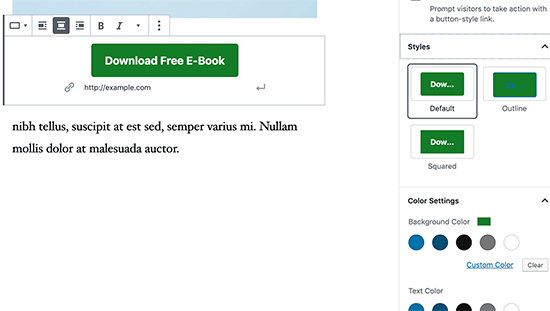
Using buttons smartly can help your WordPress landing page get more clicks and turn visitors into customers or subscribers.
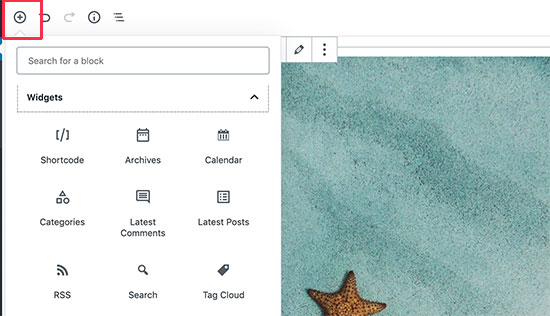
Widgets are small web tools you can add to your site to do things like show a contact form, a newsletter sign-up, or social media links.
Usually, widgets appear in sidebars or footers, but WordPress website now lets you add them right inside posts or pages!
Look for the Widgets section under the Add Blocks button in the editor, and you can insert useful widgets wherever you want.
Widgets help make your website more interactive and useful without needing to know how to code.
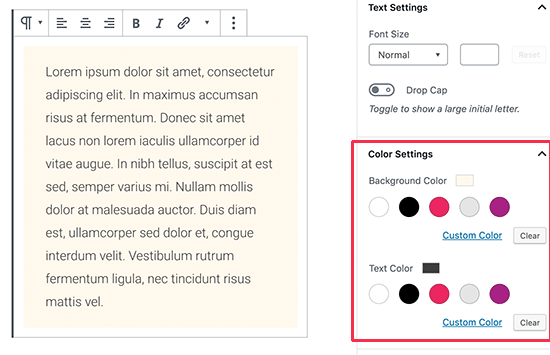
Using different colors in your text is a simple way to highlight important points or make your content more exciting.
In the block settings (usually on the right side), you can change the text color or background color of paragraphs.
Make sure to pick colors that have good contrast — meaning the text is easy to read on the background.
Using color wisely can improve your readers’ experience and keep them interested in your posts.
When writing longer blog posts or articles, it’s helpful to know how much you’ve written and how your content is structured.
At the top of the WordPress Content Editor, there’s an info button (an “i” icon). Click it to see stats like:
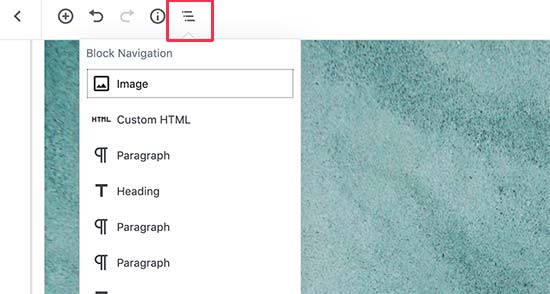
Next to it, there’s a Block Navigation button that lets you jump between different sections of your post easily.
Using these tools helps keep your writing organized and makes editing faster.
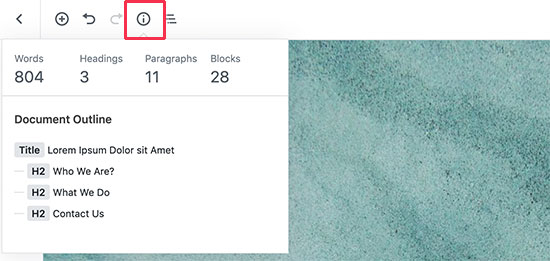
The block navigation button is right next to it. It displays all of the blocks you’ve used in your post, and you can navigate to any of them by clicking on them.
See our article on how to collect word count stats in WordPress for more information.
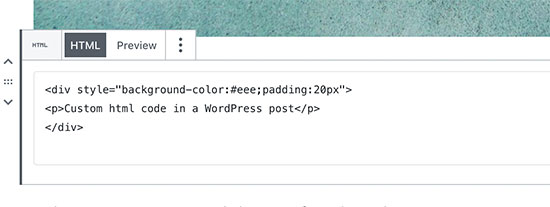
Sometimes you might want to add something special that WordPress blocks don’t offer, like a custom widget or special code.
For this, WordPress has a Custom HTML block.
You just add this block and paste your HTML code inside it.
This way, your site stays flexible and powerful, and you can include any extra features you want.
| Feature | WordPress Block Editor (Gutenberg) | Classic Editor |
| Editing Style | Blocks for each content type (text, images, videos, etc.) | One big text box, like a simple word processor |
| Ease of Use | More visual, easy to move and customize blocks | Simple, but less flexible |
| Layout Options | Can create columns, buttons, media & text side-by-side | Limited layout, mostly linear |
| SEO-Friendly | Supports SEO blocks and easy content structure | Basic formatting, fewer SEO options |
| Best For | Beginners and advanced users who want flexible design | Users who prefer simple editing |
| Plugins Compatibility | Works well with new editor plugins like Kadence Blocks | Compatible with older plugins |
| Learning Curve | Slightly higher, but more powerful | Easy to learn, fewer features |
We hope this will help you to master the WordPress content editor. Follow the above pro tips, and make your website experience better than ever before.
You may also like our guide on how to clear cache files in WordPress, and also the guide on how to optimize your blog posts for SEO. You can learn more about WordPress by reading our blog. If you could let me know what topics most interest you, I would greatly appreciate it. Any comments you may have would be greatly appreciated.
Apply these 15+ pro tips consistently to:
Whether you’re running an affiliate blog, managing client projects, or simply want to improve your site’s user experience, these WordPress tips will give you a clear advantage.
It’s the tool in WordPress where you create and edit your website’s pages and posts. You can add text, images, videos, and other things to make your site look great.
The Block Editor uses blocks for each part of your content, making it easy to move and customize things. The Classic Editor is like a simple text box with fewer design options.
Press Enter to start a new paragraph (with more space). Press Shift + Enter for a small line break without extra space.
Yes! Use keyboard shortcuts: Ctrl + B to bold text and Ctrl + K to add a link.
Use the Media & Text block to put an image on one side and text on the other. WordPress handles the spacing for you.
Headings organize your content for readers and help Google understand your topics for better SEO rankings.
Yes! Instead of uploading big videos, upload them to YouTube and then embed them in your posts by pasting the video link.
Widgets are small tools like contact forms or social media buttons. You can add them inside posts or pages from the Widgets section in the editor.
Click the info (“i”) button at the top of the editor to see word count, number of paragraphs, and headings.
Yes, use the Custom HTML block to paste any HTML code you want to add special features or widgets.
Just fill out the contact form to get a free consultancy from our expert. We would be happy to answer you.
ThemeLooks – YouTube – Facebook – Linkedin – Twitter

Mohammad Nur Alam is a Technical Content Writer at ThemeLooks Ltd., specializing in WordPress, SaaS, SEO, and web development. He writes practical tutorials, product reviews, and technical guides that help users make the most of WordPress tools and plugins. Passionate about digital marketing and emerging technologies, he enjoys creating helpful content and staying up to date with the latest industry trends.